Programs
Research. Education. Connection.
The right tools weren’t available to Matt. We’re changing that.
Everything we do is built on three things: research that tells us what actually works, education that puts those tools in the right hands, and the kind of real connection that makes a young person feel like they’re worth fighting for.
The Matt Harbin Foundation exists to ensure everyone who needs them has those tools, creating opportunities for the important conversations to happen. That means ensuring every school in Austin has access to programs that teach students, educators, and communities how to recognize a mental health crisis and do something about it.
We partner directly with schools to bring in proven, research-backed solutions. Our foundation covers the costs so the kids who need them, get them, regardless of a district’s budget. In fact, we’re proud to say that every dollar donated to MHF goes directly toward mental health resources. None of it goes anywhere else.
Research matters. Education saves lives. Connection builds resilience. The programs below are how we bring it all together.


ThriveWay — Peer Helpers PLUS
Building a school where students look out for each other.
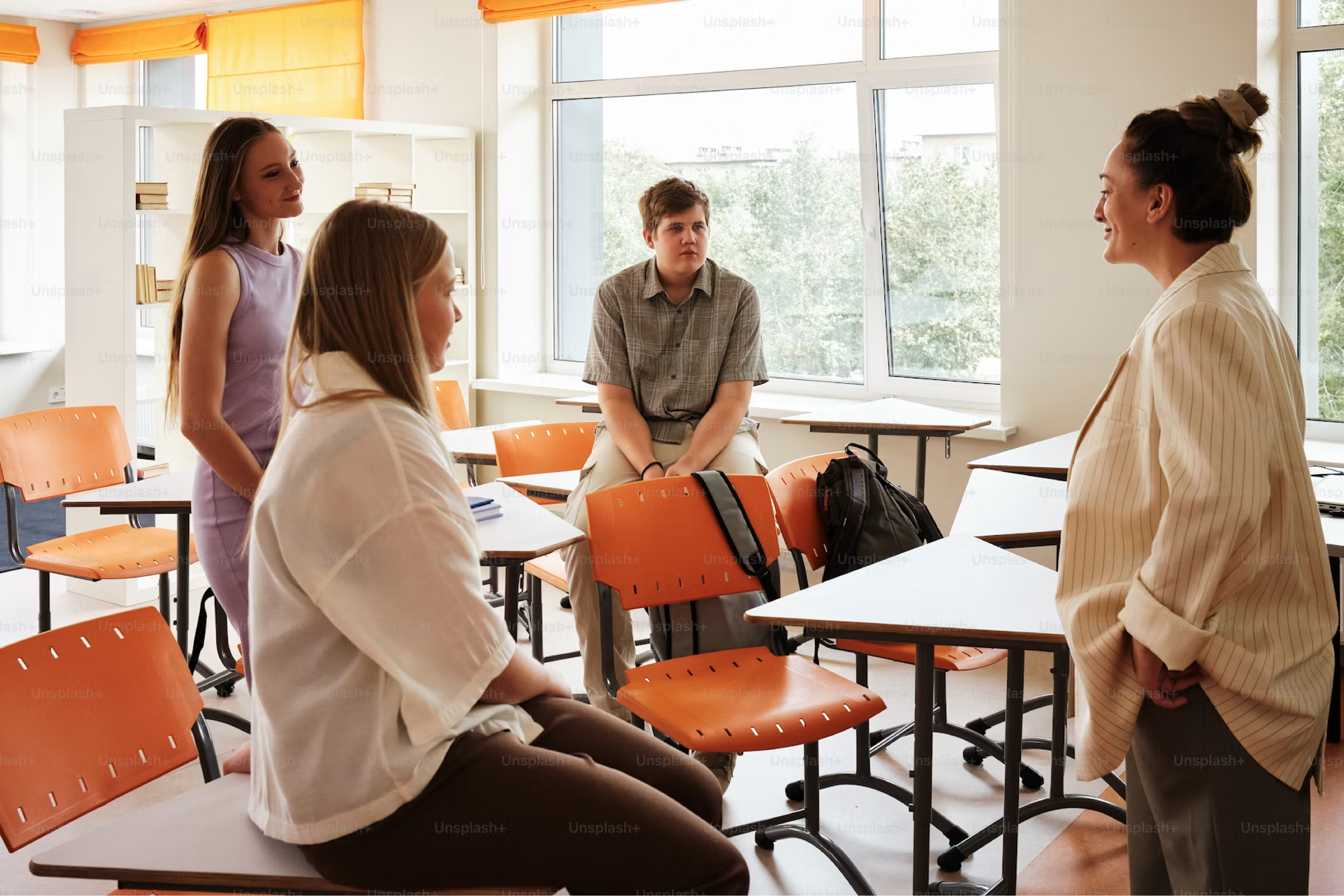
ThriveWay’s Peer Helpers PLUS program works from a simple idea: when young people are struggling, they almost always turn to a friend before they turn to an adult. With that in mind, this program trains students to be ready for the conversation when the time comes. Through Peer Helpers PLUS, schools identify students who apply and are selected to serve as trained peer advocates for their classmates. These students learn communication, empathy, conflict resolution, and how to connect someone in crisis to the help they need. They become a visible, trusted presence on campus, and the impact reaches well beyond the students wearing a badge. The program runs alongside a school-wide curriculum called P.A.T.H. (Prevention and Awareness for Total Health), which covers topics from bullying and grief to mental health, depression, and substance use. It can be offered as an elective or an extracurricular club for students of every grade level, from elementary through high school. The results are real. Schools that have implemented Peer Helpers PLUS have seen students improve academically, connect socially for the first time, and in some cases decide against suicide. It is listed on the Suicide Prevention Resource Center’s Best Practice Registry and has been implemented in over 700 schools across the country. MHF partners with schools to help implement and subsidize this program, making sure cost is never the reason a student misses the opportunity for help.
Interested in bringing Peer Helpers PLUS to your school?

QPR — Question, Persuade, Refer
One conversation can save a life.
QPR is often described as CPR for mental health, and the comparison holds. It’s a short and practical evidence-based training that teaches anyone how to recognize someone considering suicide, as well as how to navigate what to do next. The three steps match the name:
1. Question the person directly.
2. Persuade them to get help.
3. Refer them to the right resource.
The training takes about an hour and doesn’t require a clinical background. Instead, anyone from a teacher to a parent to a community member can participate.
As the most widely taught gatekeeper training in the world, QPR has been shown to increase the likelihood its participants recognize someone struggling and intervene by asking a direct question. That question does more to prevent suicide than most people realize.
The more people who know these three steps, the more lives get saved.
Want to schedule a QPR training for your school,
team, or organization?
Shifting Resiliency in Classrooms
The Shifting Resiliency in Classrooms study was developed by Dr. Lauren Gulbas, Associate Professor at the University of Texas at Austin’s Steve Hicks School of Social Work. Dr. Gulbas has spent her career researching mental health equity, suicidal behavior, and what it actually takes to build resilience in young people.
The program integrates evidence-based resiliency practices and research into an existing classroom setting, meeting students where they already are. It’s designed to build the kind of internal tools that help young people navigate stress and stay connected to the people around them.
MHF is proud to support this Austin-based work as part of our commitment to research-backed programming. We believe local research with real community roots is exactly the kind of investment that moves the needle.
Three Programs. One Mission.
ThriveWay builds the culture inside a school. QPR gives the community the tools to act. Together, they create the type of world we’re looking to build — one where a young person in crisis is more likely to be seen, asked, and to get help.
That is what we are building in Austin — a better educated community that understands how to save lives and end the mental health crisis. If you are a school administrator, counselor, parent, or someone who simply wants to do something, we’d love to connect.